

Only about 17 percent of users move past their first interaction on a website, leaving most potential customers untapped. Every missed step in your digital journey can mean lost sales and weaker engagement. By pinpointing where users disconnect and refining each touchpoint, you can transform tentative visits into meaningful conversions. This guide helps you identify obstacles, sharpen your goals, and provide a smoother web experience that encourages action.
Table of Contents
- Step 1: Audit Your Existing User Journey
- Step 2: Define and Prioritize Conversion Goals
- Step 3: Optimize Key Landing Pages and CTAs
- Step 4: Implement Personalization and Trust Signals
- Step 5: Test and Measure Conversion Improvements
Quick Summary
| Key Point | Explanation |
|---|---|
| 1. Audit the user journey meticulously | Gather data from all customer interactions to identify key touchpoints and behaviors for improvement. |
| 2. Set SMART conversion goals | Define specific, measurable, achievable, relevant, and time-bound targets to guide marketing strategies. |
| 3. Optimize landing pages and CTAs | Focus on clarity, visual hierarchy, and compelling CTAs to enhance user engagement and increase conversions. |
| 4. Personalize content and include trust signals | Tailor content to user segments and incorporate testimonials and certifications to build trust. |
| 5. Utilize robust testing and measurement | Implement A/B testing and analytics to assess performance and identify areas for improvement in conversion rates. |
Step 1: Audit Your Existing User Journey
Discovering how customers move through your digital experience is like creating a detailed treasure map. According to research from Oxford University, user journey mapping involves carefully identifying key stages in the customer experience and collecting strategic information.
Start by gathering all existing customer interaction data from your website, social media platforms, email communications, and sales channels. This means pulling analytics from Google Analytics, reviewing customer support tickets, and tracking conversion points. According to a study published by the National Center for Biotechnology Information, only 17% of users progress past initial webpage interactions, so understanding each step becomes crucial.
Your audit should focus on tracking the complete path a customer takes from initial awareness to final conversion. Map out every potential touchpoint including:
- Website entry pages
- Product browsing patterns
- Interaction with call to action buttons
- Checkout or signup processes
- Post purchase engagement
Look for specific patterns of user behaviour such as where potential customers drop off or experience friction. Pay special attention to pages with high exit rates or low engagement metrics.
Pro Tip: Use heatmap tools to visualise exactly where users click and scroll on your webpages to uncover hidden insights.
By meticulously documenting these interactions, you will create a comprehensive blueprint that reveals opportunities for improving user experience and increasing conversion rates.
Step 2: Define and Prioritize Conversion Goals
Turning your business objectives into actionable conversion goals requires strategic thinking and precision. According to research from Harvard Business School, establishing clear business goals is crucial for creating a roadmap that identifies risks and measures performance effectively.
Start by conducting a comprehensive assessment of your current business performance. According to the International Institute of Digital Marketing Consultants, setting SMART objectives (Specific, Measurable, Achievable, Relevant, and Time bound) helps create crystal clear conversion targets.
Your conversion goals should directly align with your broader business strategy. Consider prioritising goals across different categories:
- Revenue generation targets
- Customer acquisition metrics
- Engagement rate improvements
- Lead quality enhancements
- Brand awareness expansion
For each goal, assign specific numeric targets and realistic timelines. A goal like “increase website conversions” becomes significantly more powerful when transformed into “boost online sales by 25% within the next quarter” by adding precise parameters.
Pro Tip: Rank your conversion goals from highest potential impact to lowest, ensuring you focus resources on objectives that will drive meaningful business growth.
By systematically defining and prioritising your conversion goals, you create a focused roadmap that transforms abstract aspirations into concrete, measurable achievements. This approach ensures every marketing effort contributes directly to your strategic business vision.
Ready to validate these goals? The next step involves selecting the right metrics and tools to track your progress accurately.
Step 3: Optimize Key Landing Pages and CTAs
Transforming your landing pages into conversion powerhouses requires a strategic approach that combines design psychology with user experience insights. According to research from Oxford University, conducting user-centered content audits ensures that landing page content meets user needs and enhances overall website performance.
Begin by analyzing your current landing pages through a critical lens. Research from digital marketing experts suggests applying conversion-centered design principles that create focus, draw attention, and build trust with potential customers.
Key elements to optimize include:
Here’s a summary of key focus areas for optimising landing pages and CTAs:
| Element | Optimisation Focus | Example Improvements |
|---|---|---|
| Headline | Clarity & Relevance | Clear benefits Targeted messaging |
| Visual Hierarchy | Guide Attention | Use headings Strategic imagery |
| Form Design | Simplicity & Ease | Fewer fields Inline validation |
| Call to Action (CTA) | Value & Urgency | Specific text Contrasting colours |
| Social Proof | Trust & Credibility | Testimonials Client logos |
- Headline clarity and compelling messaging
- Visual hierarchy that guides user attention
- Simplified and intuitive form designs
- Strategically placed call to action buttons
- Social proof elements like testimonials
Your call to action (CTA) buttons should be more than just visual elements. They need to communicate value and create a sense of urgency. Replace generic phrases like “Click Here” with more specific and motivating language such as “Get My Free Consultation” or “Unlock Exclusive Insights”.
Pro Tip: Use contrasting colors for your CTA buttons that stand out from the page background while remaining consistent with your brand palette.
Carefully track the performance of each landing page variation. Small changes in design placement, button color, or messaging can significantly impact conversion rates.
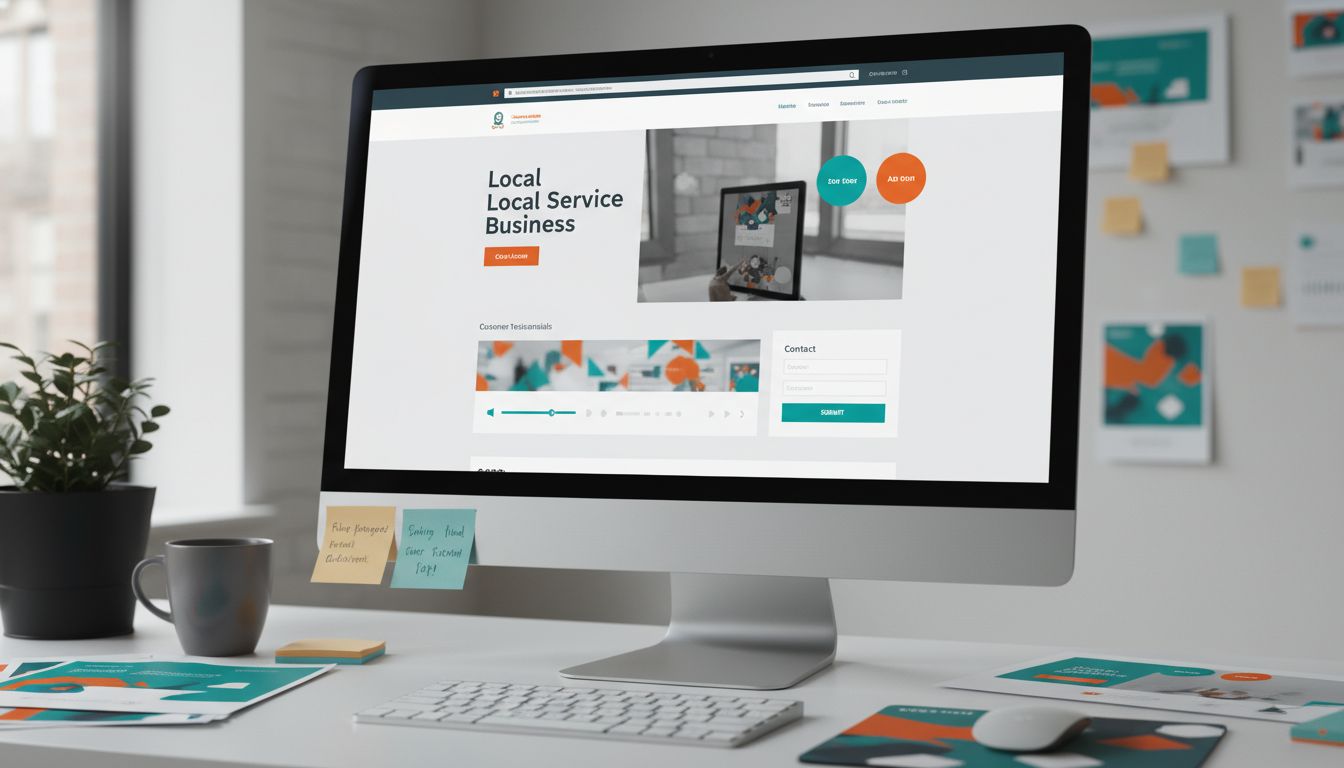 A/B testing becomes your most powerful tool in understanding what truly resonates with your audience.
Conversion Optimisation Guide can provide deeper insights into refining your approach and transforming browsers into committed customers.
Step 4: Implement Personalization and Trust Signals
Building genuine connections with potential customers requires more than generic messaging. According to research from Oxford University, understanding user personas and tailoring content to meet their specific needs can significantly enhance trust in the user journey.
Personalization starts with deep audience segmentation. Break down your customer base into distinct groups with unique characteristics, challenges, and motivations. By creating targeted content that speaks directly to each segment, you demonstrate an understanding that goes beyond standard marketing approaches.
Trust signals are critical in converting visitors into customers. Consider incorporating:
- Authentic customer testimonials
- Industry certifications and awards
- Client logos and case studies
- Security and privacy badges
- Transparent pricing information
- Clear contact details and physical address
Research from digital marketing experts suggests that incorporating trust building elements into web design can dramatically increase user confidence. Each trust signal acts like a subtle reassurance that transforms potential scepticism into genuine interest.
Pro Tip: Use real customer stories and specific results rather than generic praise to make your trust signals more compelling and credible.
Personalization algorithms and dynamic content can further enhance user experience by showing relevant recommendations based on browsing history, location, or previous interactions.
Is Your Website Working Hard Enough? offers additional strategies to create a more engaging and trustworthy online presence that converts visitors into loyal customers.
Step 5: Test and Measure Conversion Improvements
Measuring your conversion efforts transforms guesswork into strategic decision making. According to research from the National Center for Biotechnology Information, systematic user journey analysis can precisely identify areas for improvement and assess the impact of changes on conversion rates.
Start by implementing a robust testing framework that goes beyond surface level metrics. As recommended by Oxford University’s content audit research, combine quantitative tools like A/B testing with qualitative methods such as user interviews to gain comprehensive insights into your conversion performance.
Key measurement strategies include:
- Google Analytics conversion tracking
- Heat map analysis
- User behaviour recording
- Conversion funnel visualisation
- Comparative performance benchmarking
Each testing method provides unique perspectives on how users interact with your website. Quantitative data reveals numerical performance while qualitative feedback uncovers the underlying motivations and potential friction points in the user experience.
Pro Tip: Run tests for statistically significant durations typically 2 to 4 weeks to ensure you’re capturing meaningful data variations.
Document your findings meticulously. Track not just overall conversion rates but granular metrics like time on page, click through rates, and bounce rates. This detailed approach transforms raw data into actionable strategic insights.
Conversion Optimisation Guide can help you dive deeper into advanced testing methodologies that turn data into decisive business growth strategies.
Boost Your Local Business Conversion Rates with Expert Support
Local businesses often struggle with identifying where customers drop off during their online journey and how to create clear, compelling calls to action that convert. This article highlights key challenges such as auditing user behaviour, setting precise conversion goals, and implementing trust signals — all essential steps for fast improvement. If you feel overwhelmed by where to begin or how to prioritise these strategies, you are not alone. Understanding and acting on these insights can transform hesitant visitors into loyal customers and boost your revenue.
Ready to turn this knowledge into measurable growth? Explore our Conversion Optimisation | Resen Digital services designed to enhance your website’s performance through tailored strategies. Gain actionable tips from our Helpful Tips | Resen Digital and connect with our Australian-based team for a personalised approach that respects your business goals and challenges. Don’t wait to improve your digital presence — get in touch today via https://resen.com.au/contact-us/ for a free audit and expert guidance that puts your local business on the fast track to success.
Frequently Asked Questions
How can I quickly audit my existing user journey to improve conversion rates for my local business?
Start by gathering data from your website, social media, and sales channels to identify how customers interact with your digital presence. Analyze the flow from awareness to conversion, and document key touchpoints to uncover where users drop off or face difficulties in their journey.
What specific conversion goals should I set for my local business?
Define clear and measurable conversion goals that align with your business strategy, such as increasing online sales by 25% in the next quarter or improving customer acquisition rates. Use the SMART criteria to ensure your goals are specific, measurable, achievable, relevant, and time-bound.
How can I optimize my landing pages and CTAs to increase conversions quickly?
Focus on key elements like clear headlines, visual hierarchy, and simplified forms to make your landing pages more effective. For example, replace vague CTAs like “Click Here” with specific actions like “Get Your Free Consultation” to enhance urgency and drive more clicks.
What personalization strategies can I implement to build trust and improve conversions?
Segment your audience based on unique characteristics and tailor your content to speak directly to each group’s needs. Incorporate trust signals, such as authentic testimonials and client logos, to reassure potential customers and enhance their confidence in your business.
How can I effectively test and measure conversion improvements for my local business?
Implement a robust testing framework that includes both quantitative measures like A/B testing and qualitative insights from user feedback. Track specific metrics such as click-through rates and time on page for statistically significant periods, typically between 2 to 4 weeks, to gauge the impact of your changes on conversion rates.
What are the main action steps to take immediately for improving my local business conversion rates?
Begin with a comprehensive audit of the user journey, identify specific conversion goals, and optimize your landing pages and CTAs. By addressing these areas, you can lay the groundwork for measurable improvements in conversion rates within 30–60 days.
Recommended
- Is Your Website Working Hard Enough? – Resen Digital
- Melbourne Digital Marketing | Resen Digital
- Professional Adelaide | Resen Digital
- Sydney Digital Marketing | Resen Digital
- What Is Local SEO? A Comprehensive Guide to Boost Your Local Business Visibility
- Converting Website Traffic: Proven Strategies for 2025
